
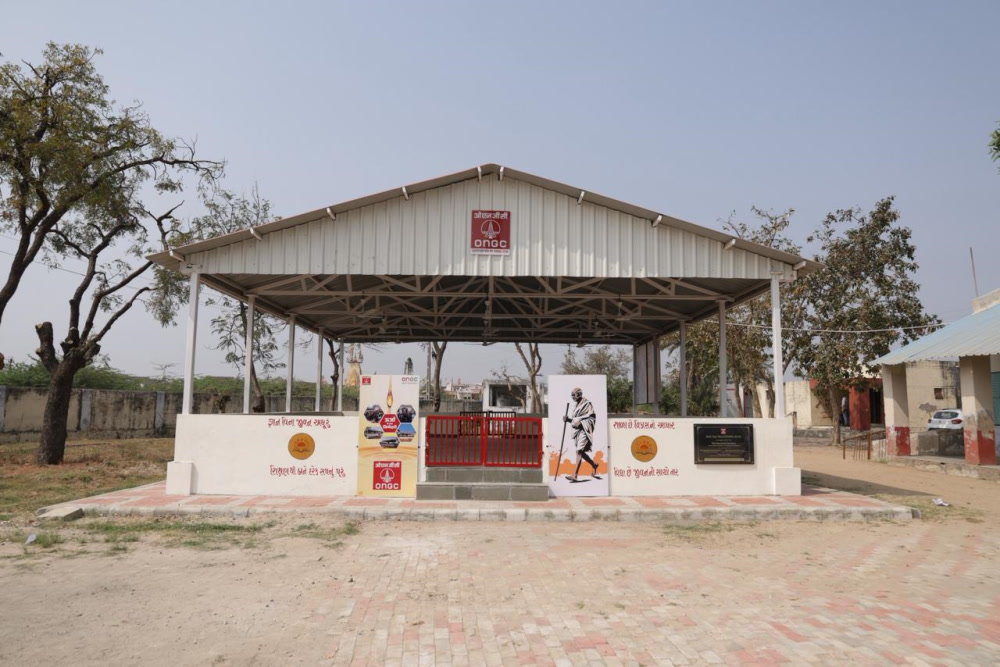
Education is a fundamental pillar for the holistic development of rural communities. In many villages, primary schools serve not only as centers of learning but also as safe spaces that support the physical, mental, and social well-being of children. However, rural schools often face infrastructural limitations that directly affect attendance, nutrition delivery, and overall learning outcomes.
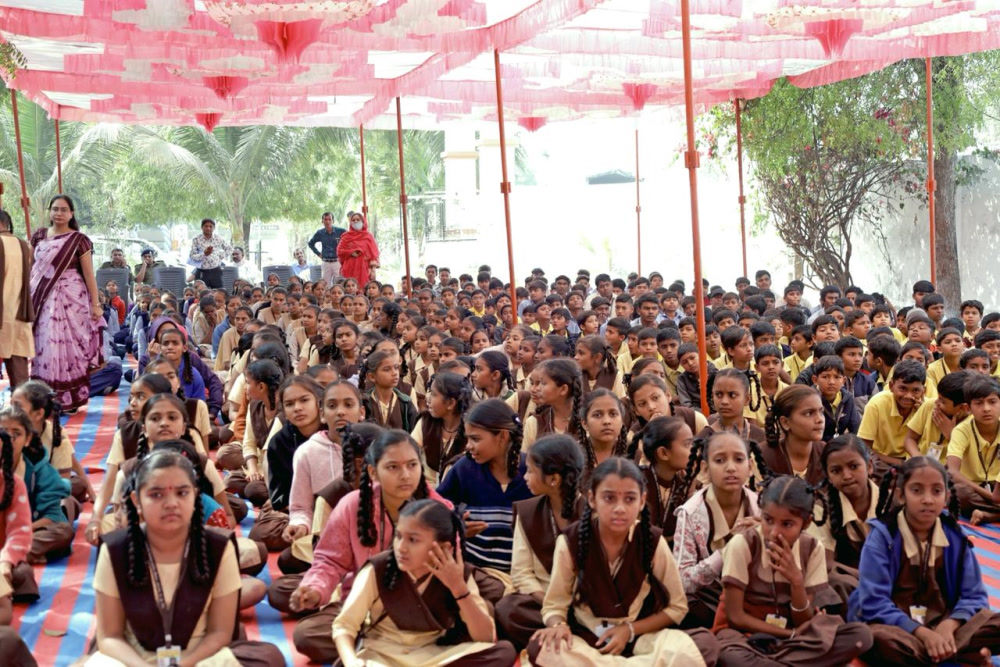
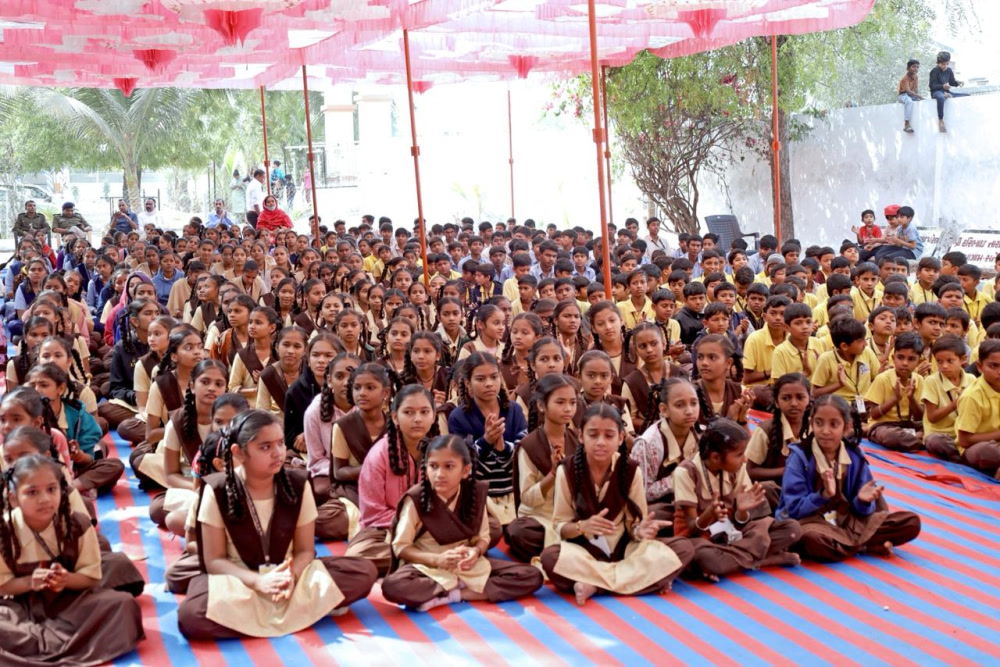
The present project area comprises three villages—Bherai, Pansoli, and Navagam—located in the Kheda district. These villages together have a total population of 6,572, with government primary schools catering to 349 children across different age groups. The student population includes 189 boys and 160 girls, reflecting encouraging gender participation in elementary education.
Bherai Village has a population of 1,347, with 63 children (27 boys and 36 girls) enrolled in the primary school, supported by 3 teachers.
Pansoli Village, with a population of 869, has 46 children (22 boys and 24 girls) attending school under the guidance of 2 teachers.
Navagam Village is comparatively larger, with a population of 4,356 and a significantly higher enrollment of 240 children (140 boys and 100 girls), managed by 5 teachers.
Despite steady enrollment and dedicated teaching staff, these schools face challenges related to basic infrastructure—particularly facilities required for the Mid-Day Meal (MDM) programme, which plays a critical role in improving attendance, nutritional intake, and retention of children from economically weaker sections.
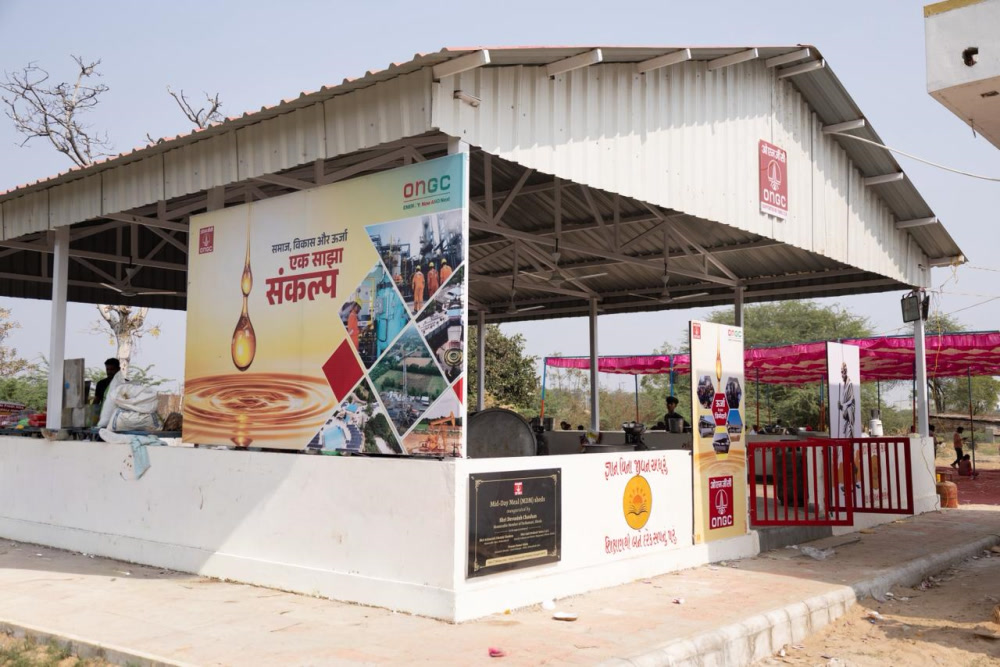
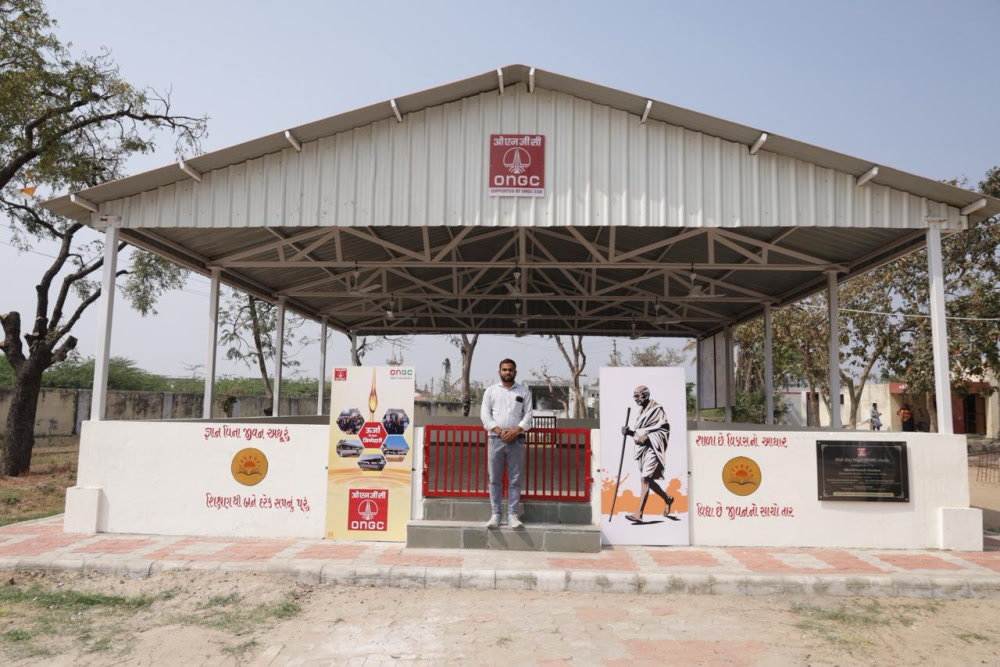
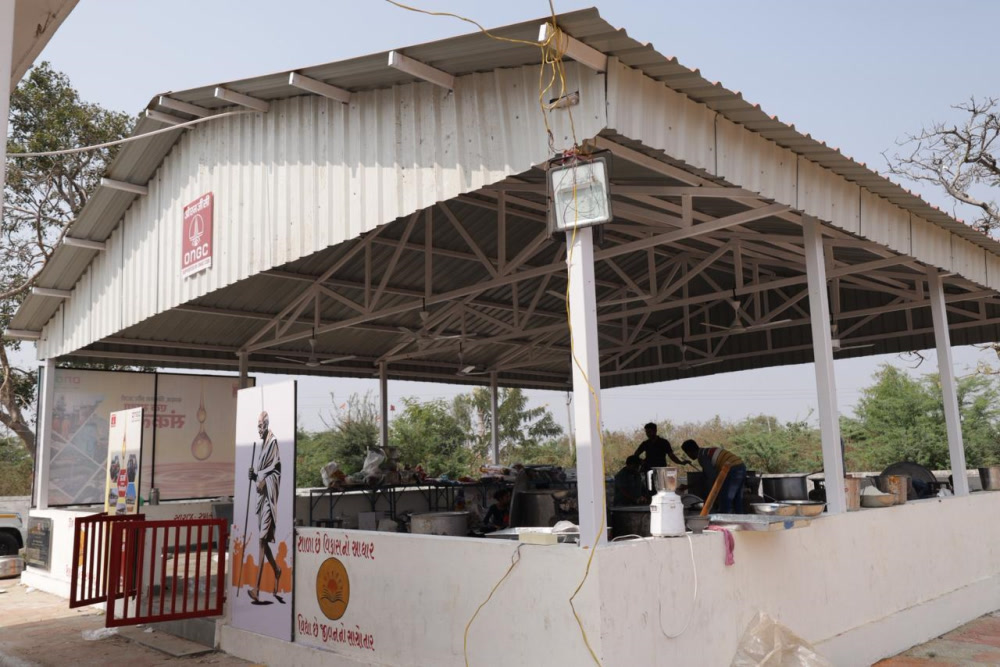
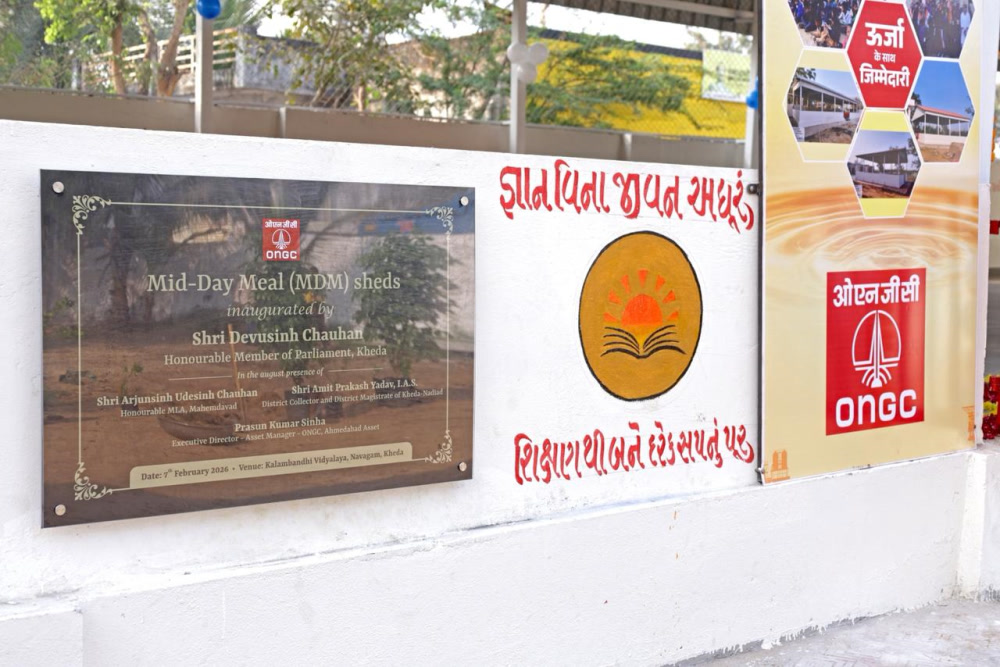
The lack of adequate and hygienic meal preparation and serving spaces has posed operational difficulties for school authorities and has the potential to impact students’ health and dignity. Recognizing this gap, the project was conceptualized to strengthen school infrastructure by constructing Mid-Day Meal sheds, thereby creating a safe, clean, and efficient environment for meal preparation and distribution.
This intervention aligns with national education and nutrition goals and directly contributes to enhancing learning outcomes, reducing absenteeism, and supporting the overall development of children in these rural communities.
Objective of the Project
The primary objective of the project is to strengthen the educational infrastructure of government primary schools in the villages of Bherai, Pansoli, and Navagam by constructing dedicated Mid-Day Meal (MDM) sheds, thereby ensuring the effective, safe, and hygienic implementation of the Mid-Day Meal programme.
The specific objectives of the project are as follows:
1. To provide safe and hygienic infrastructure To construct well-designed Mid-Day Meal sheds that ensure clean, safe, and weather-protected spaces for cooking, serving, and consumption of meals, in compliance with basic health and sanitation standards.
2. To support nutritional well-being of children To facilitate regular and efficient delivery of nutritious meals to 349 school-going children, contributing to improved health, physical growth, and concentration levels in classrooms.
3. To improve school attendance and retention To encourage consistent school attendance and reduce dropout rates by strengthening the Mid-Day Meal programme, which is a key incentive for children from economically weaker and marginalized families.
4. To reduce operational burden on teachers and staff To provide dedicated meal infrastructure that minimizes the time and effort spent by teachers on meal management, allowing them to focus more effectively on academic and developmental activities.
5. To ensure dignity and safety of children To create organized and child-friendly spaces for meal preparation and consumption, ensuring dignity, safety, and comfort for all students, including girl children.
6. To enhance community confidence in government schools To improve overall school facilities, thereby strengthening parents’ trust in the government education system and encouraging greater community participation in school activities.
7. To align with national education and CSR goals To contribute to national priorities such as universal primary education, child nutrition, and inclusive development, while aligning with the CSR objectives of improving education, health, and rural infrastructure.
Overall, the project aims to create a sustainable and positive impact on the learning environment, health, and well-being of children, ensuring that schools’ function as safe, supportive, and nurturing spaces for holistic child development.
Need Assessment
A detailed need assessment was carried out in the government primary schools of Bherai, Pansoli, and Navagam villages to understand the existing infrastructure gaps and operational challenges related to the implementation of the Mid-Day Meal (MDM) programme. The assessment involved site visits, interactions with school authorities and teachers, and observation of day-to-day meal preparation and distribution practices.
The assessment revealed that although student enrollment is satisfactory and teaching staff are committed, the schools lack dedicated and adequate infrastructure for the preparation and serving of mid-day meals. In the absence of proper MDM sheds, meals were being cooked and served in temporary or congested spaces, often within classrooms or open areas. This arrangement posed multiple challenges, including hygiene concerns, safety risks, and disruption of academic activities.
Key needs identified during the assessment are summarized below:
1. Inadequate Hygiene and Sanitation Facilities The existing arrangements did not fully meet basic hygiene standards required for safe food preparation. Exposure to dust, rain, heat, and unhygienic surroundings increased the risk of food contamination and health-related issues among children.
2. Safety Risks Cooking activities carried out in non-designated areas increased the risk of accidents, such as burns, fire hazards, and injuries, particularly in schools with limited space and high student strength, such as Navagam village.
3. Lack of Weather-Protected Spaces During monsoon and extreme summer conditions, the absence of covered structures severely affected the regularity and quality of meal preparation and distribution.
4. Disruption of Teaching–Learning Activities The use of classrooms or nearby spaces for cooking and serving meals led to loss of instructional time, classroom disturbances, and inconvenience to both students and teachers.
5. Increased Burden on Teachers Teachers were required to supervise and manage meal arrangements in the absence of proper infrastructure, diverting their time and focus away from academic responsibilities.
6. High Student Density and Limited Resources Particularly in Navagam village, with 240 enrolled children, the existing facilities were insufficient to handle large-scale meal preparation and orderly distribution.
7. Need for Dignified and Child-Friendly Facilities Children lacked a designated, organized space to receive and consume
meals in a dignified manner, which is essential for their overall well-being and positive school experience.
Based on the findings of the need assessment, it was evident that the construction of permanent, well-ventilated, and hygienic Mid-Day Meal sheds was essential to ensure the effective implementation of the MDM programme. The proposed intervention directly addresses these identified gaps and aims to improve nutrition delivery, school attendance, and the overall learning environment in the project area.
Quality Check
Quality assurance was given high priority throughout the implementation of the Mid-Day Meal Shed Construction Project to ensure durability, safety, and long-term usability of the infrastructure. A systematic quality check mechanism was followed at each stage of execution, from planning to completion.
The following quality control measures were undertaken:
1. Use of Standard Construction Materials All construction materials such as cement, steel, bricks, roofing sheets, and fittings were procured as per approved specifications and standard quality norms. Materials were inspected before use to ensure compliance with relevant construction standards.
2. Technical Supervision and Monitoring Regular site inspections were carried out by qualified technical personnel to monitor construction progress and workmanship. Measurements and layouts were verified to ensure adherence to approved drawings and design parameters.
3. Stage-wise Quality Verification Quality checks were conducted at critical stages of construction, including foundation work, masonry, roofing, flooring, and finishing. Each stage was reviewed and approved before proceeding to the next phase.
4. Safety and Structural Stability The structural design ensured adequate strength, ventilation, and weather resistance. Special attention was given to safety aspects such as fire safety, proper clearance from classrooms, and safe movement of children around the facility.
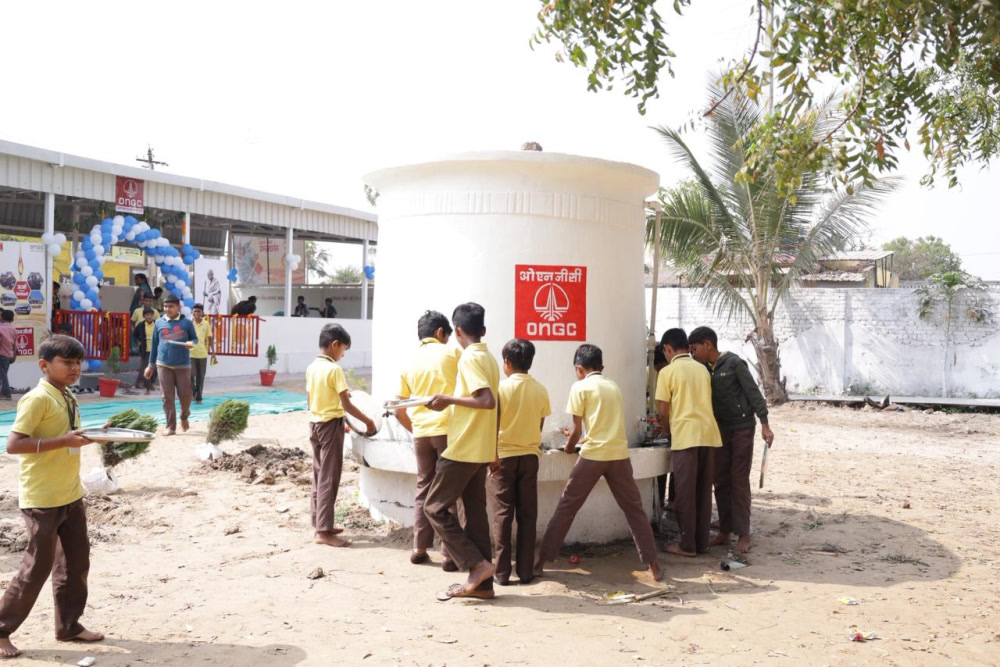
5. Hygiene and Functional Suitability The sheds were designed to facilitate hygienic cooking and serving of meals. Proper flooring, drainage, ventilation, and washing areas were ensured to meet basic sanitation requirements of the Mid-Day Meal programme.
6. Compliance with Local and School Requirements Construction activities were carried out in consultation with school authorities to ensure that the facilities met actual operational needs and did not interfere with academic activities.
7. Final Inspection and Handover Upon completion, a final inspection was conducted jointly with representatives of the implementing agency and school management. Any minor defects or finishing issues were rectified before formal handover of the facilities.
Through these quality control measures, the project ensured the creation of robust, safe, and functional Mid-Day Meal sheds capable of serving the needs of students effectively over the long term, while maintaining high standards of construction and usability.
Outcome and Impact
The construction of dedicated Mid-Day Meal sheds in the government primary schools of Bherai, Pansoli, and Navagam villages has resulted in significant positive outcomes, directly contributing to improved nutrition delivery, enhanced learning environments, and overall well-being of school-going children.
The key outcomes and impacts of the project are outlined below:
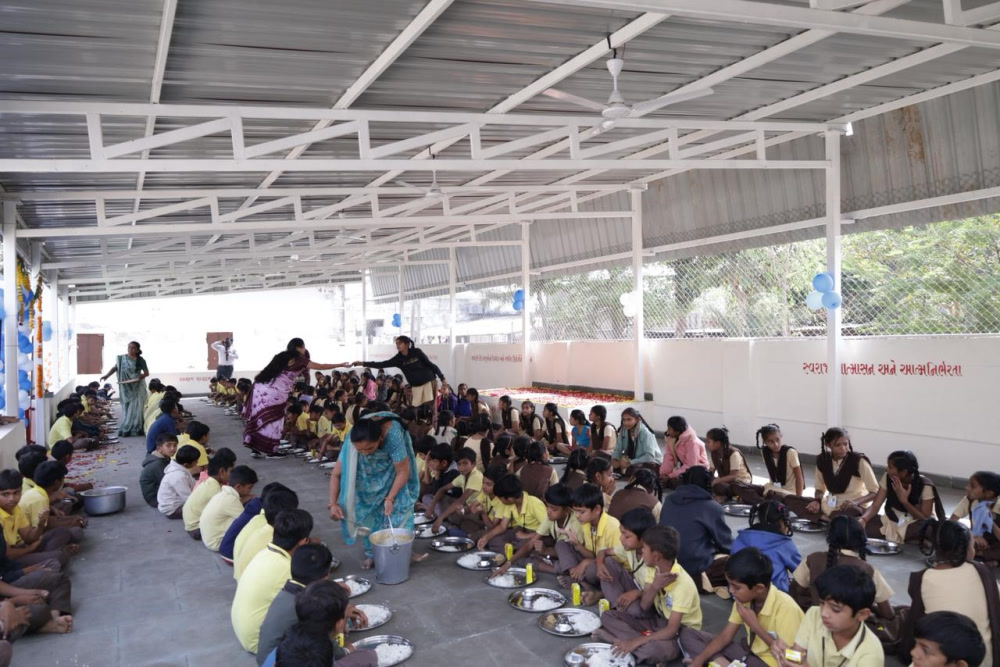
1. Improved Hygiene and Food Safety The availability of permanent and well-ventilated Mid-Day Meal sheds has ensured hygienic preparation and serving of meals. This has reduced exposure to dust, contamination, and adverse weather conditions, thereby improving food safety and protecting children’s health.
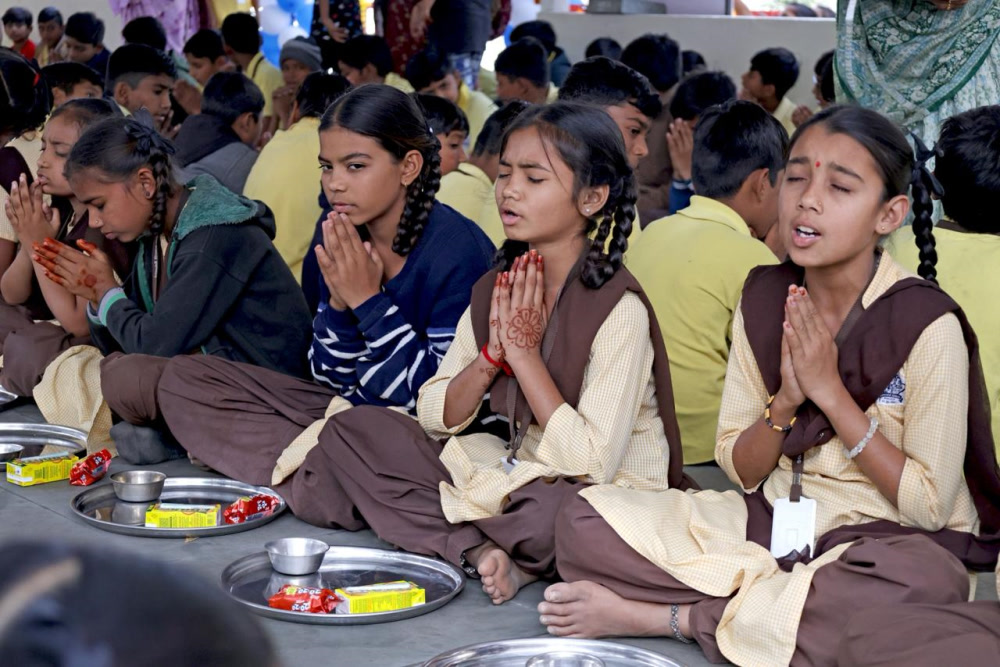
2. Enhanced Nutritional Support for Children The project has strengthened the effective implementation of the Mid-Day Meal programme, benefiting 349 children across the three villages. Regular access to nutritious meals has contributed to better physical health, increased energy levels, and improved concentration in classrooms.
3. Increase in School Attendance and Retention Improved meal facilities have encouraged consistent school attendance, particularly among children from economically weaker sections. The Mid-Day Meal programme continues to act as a strong incentive for enrolment and retention, especially for girl children.
4. Reduced Disruption to Academic Activities With a dedicated space for meal preparation and distribution, classrooms are no longer used for cooking or serving food. This has minimized interruptions during teaching hours and allowed smoother conduct of academic activities.
5. Reduced Workload on Teachers Teachers are no longer required to manage makeshift meal arrangements, enabling them to devote more time and attention to teaching and student development.
6. Improved Safety and Dignity of Children The project has eliminated safety hazards associated with open or temporary cooking arrangements. Children now receive meals in an organized and dignified environment, enhancing their overall school experience.
7. Positive Community Perception The improved infrastructure has increased parents’ confidence in government schools and the Mid-Day Meal programme. Community members have acknowledged the positive role of the project in supporting child welfare and education.
The project has created a measurable and sustainable impact by improving nutrition, enhancing the learning environment, and supporting the holistic development of children.
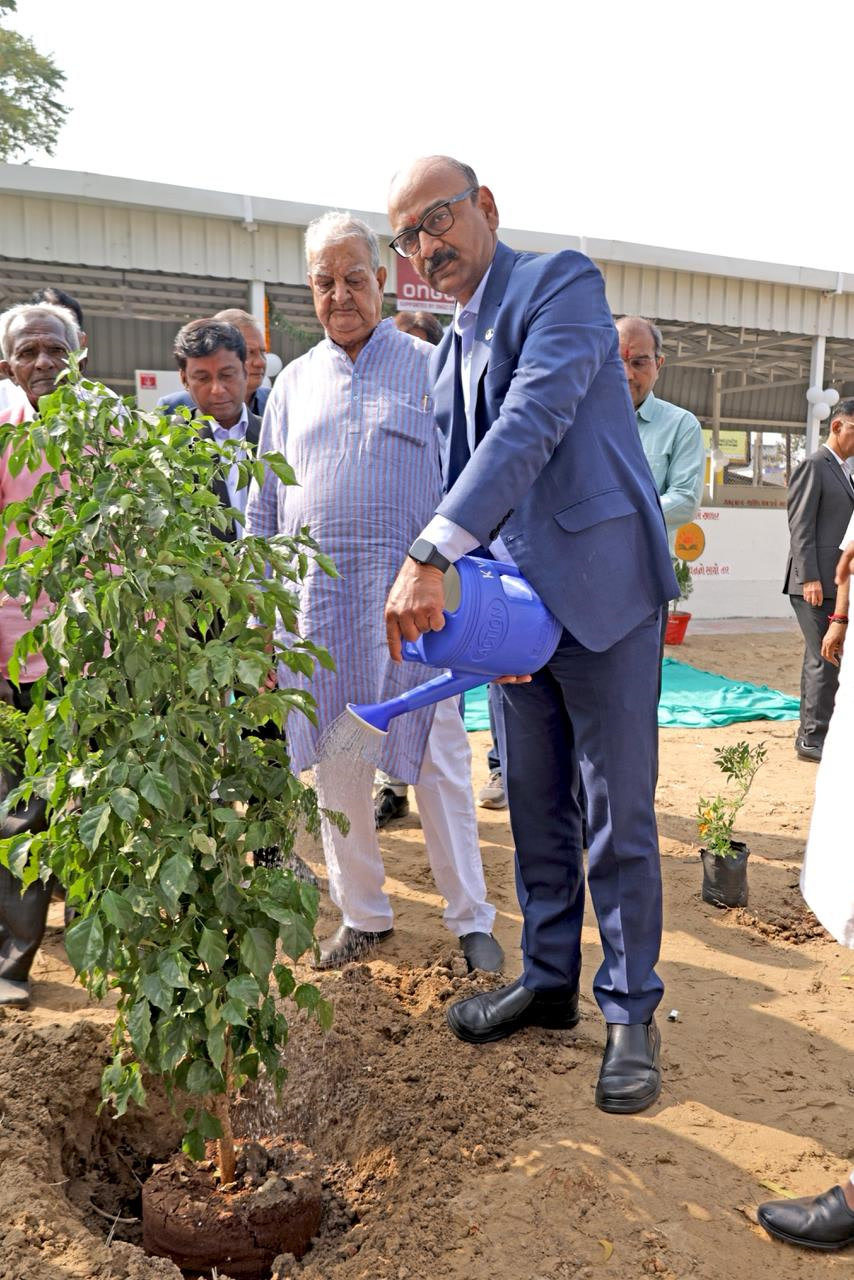
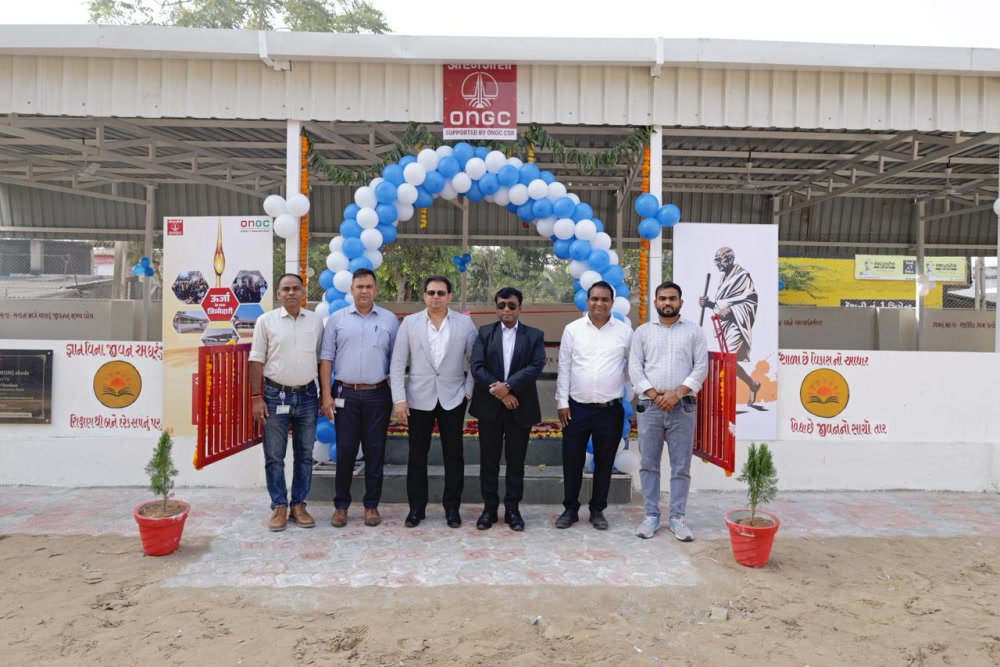
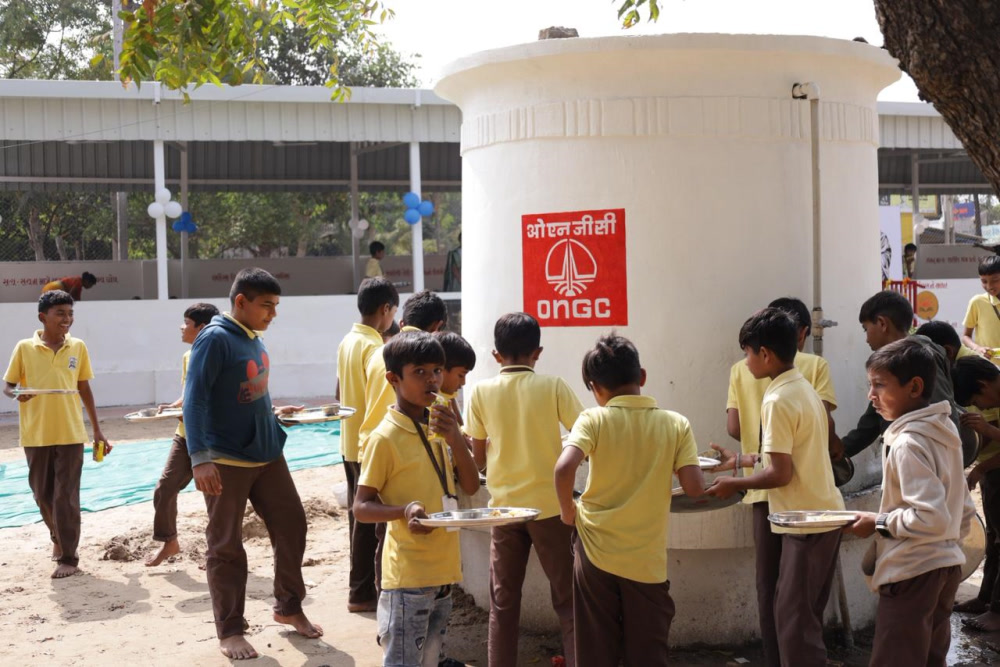
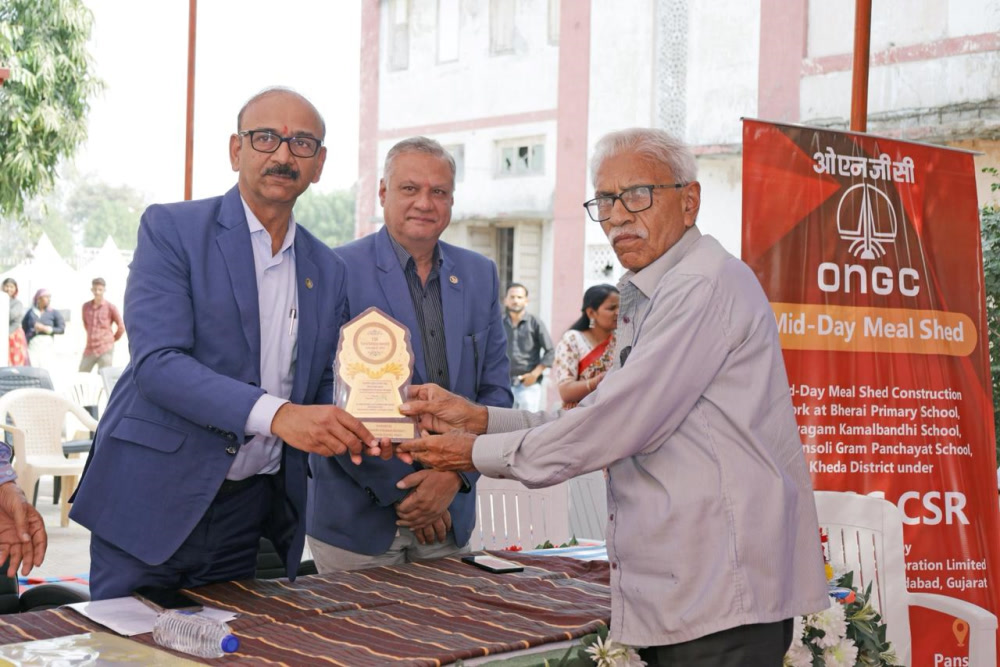
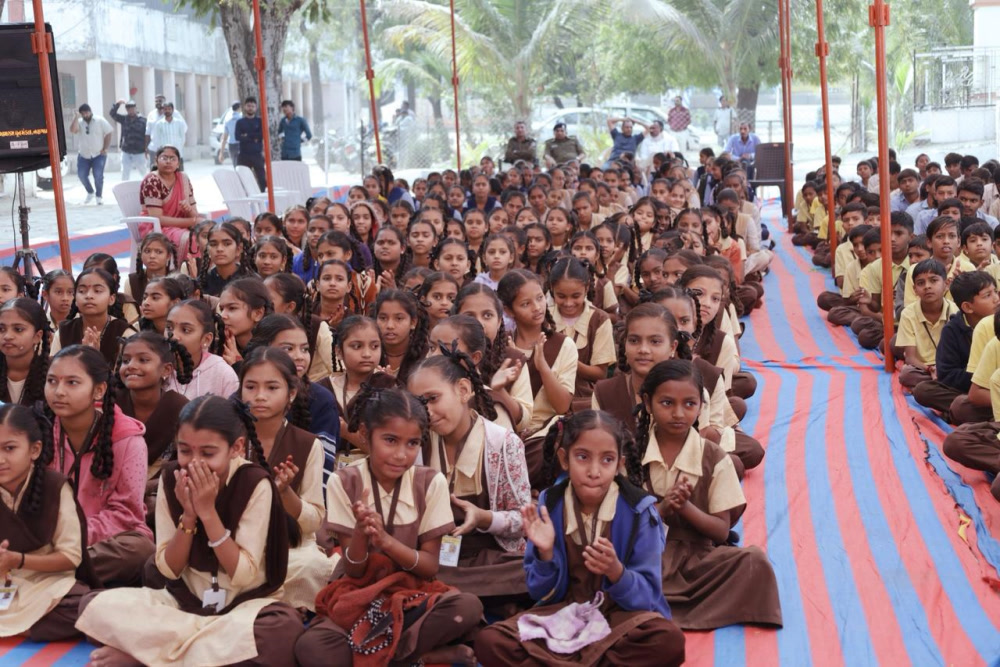
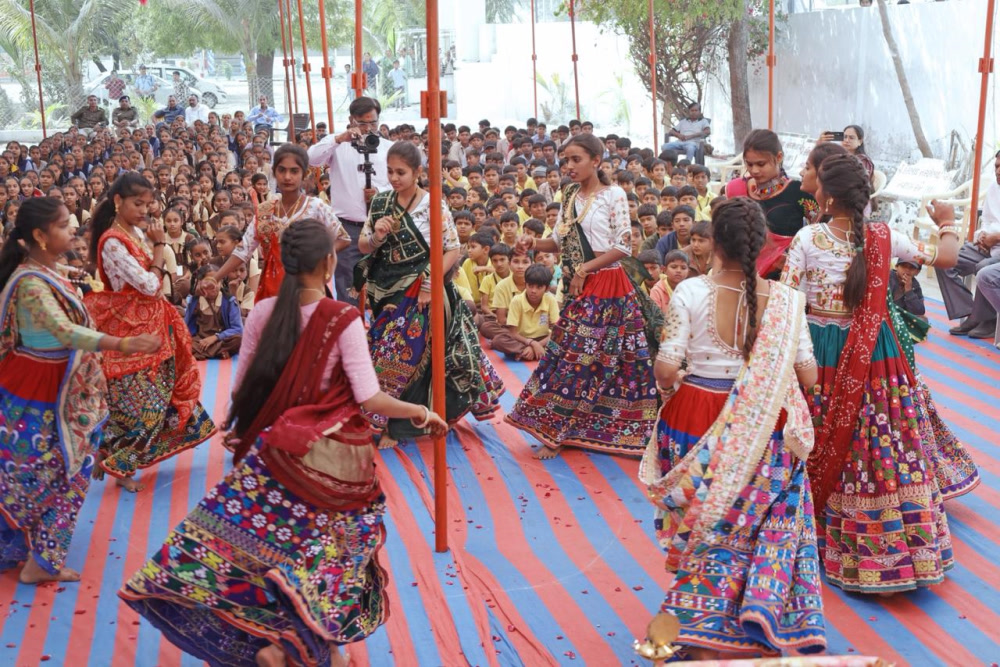
Photographs of work completion
Sustainability Measures
Sustainability has been an integral consideration in the planning and execution of the Mid-Day Meal Shed Construction Project to ensure long-term functionality, community ownership, and continued benefits to school-going children. The following measures have been adopted to sustain the outcomes of the project:
1. Durable and Low-Maintenance Infrastructure The Mid-Day Meal sheds have been constructed using quality materials and standard construction practices to ensure structural strength, longevity, and minimal maintenance requirements over time.
2. Integration with Government Mid-Day Meal Programme The sheds are fully integrated into the existing government-run Mid-Day Meal scheme, ensuring uninterrupted utilization without dependence on external funding for daily operations.
3. Ownership by School Management Committees The facilities have been formally handed over to the respective schools and School Management Committees (SMCs), which are responsible for routine upkeep, cleanliness, and monitoring.
4. Regular Maintenance and Cleanliness Practices School authorities and MDM staff have been sensitized on regular cleaning, basic maintenance, and safe usage of the sheds to preserve hygiene and functionality.
5. Community Participation and Support Local community members and parents have been encouraged to support and monitor the facilities through community engagement, fostering a sense of ownership and responsibility.
6. Safe and Child-Friendly Design The sheds are designed to ensure proper ventilation, safe movement, and ease of use, reducing wear and tear and enhancing long-term usability.
7. Scalability and Replicability The project model is scalable and can be replicated in other rural schools facing similar infrastructural gaps, ensuring broader and sustained impact beyond the project area.
Through these sustainability measures, the project ensures that the Mid-Day Meal sheds remain functional, hygienic, and beneficial for years to come, continuously supporting child nutrition, school attendance, and quality education in rural communities.
Conclusion
The Mid-Day Meal Shed Construction Project implemented in the villages of Bherai, Pansoli, and Navagam has successfully addressed a critical infrastructural gap in government primary schools. By providing dedicated, safe, and hygienic facilities for meal preparation and distribution, the project has significantly strengthened the effective implementation of the Mid-Day Meal programme.
The intervention has contributed to improved nutritional support for 349 school-going children, enhanced hygiene and safety standards, reduced disruption to academic activities, and lowered the operational burden on teachers. The project has also positively influenced school attendance, retention, and overall learning outcomes, particularly for children from economically weaker sections.
Through strong quality control measures and sustainable design, the infrastructure created under the project is expected to deliver long-term benefits. The involvement of school authorities and the local community further ensures continued ownership, maintenance, and effective utilization of the facilities.
Overall, the project stands as a meaningful CSR initiative aligned with national priorities on education, child nutrition, and inclusive rural development. It demonstrates how targeted infrastructure support can create lasting social impact and contribute to the holistic development of children and communities.
Gramin Vikas Trust is a non-government organization established in 2003, registered under the Society Registration Act 1860 and the Public Charitable Trust Act 1950. Founded by a dedicated team of trustees from diverse professional backgrounds, including business, education, and public service, the Trust is united by a common goal: to educate and empower rural communities.

Gramin Vikas Trust, Veer Annex,
1st Floor B/h Circuit House, Abu Highway,
Palanpur : 385001 Dist- Banaskantha,
Gujarat(India)